
Why Crawlspace Encapsulation is a Must for Prudenville Homeowners
Posted on December 5, 2025
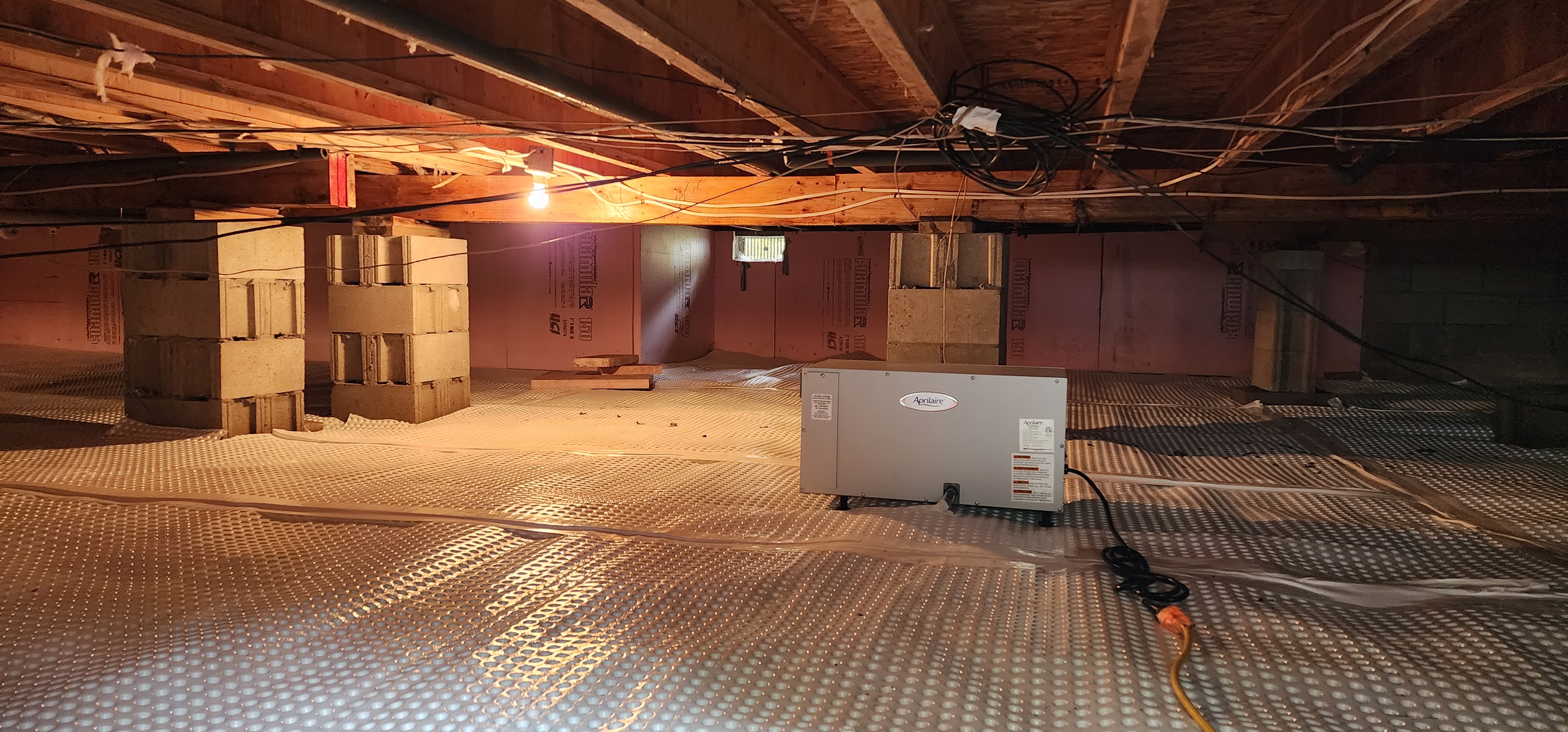
When it comes to home maintenance, certain issues lurk beneath the surface—literally! Crawlspaces are often forgotten zones that can greatly impact the health and safety of your entire home. For homeowners in Prudenville, Michigan, understanding the importance of crawlspace encapsulation is a vital part of protecting your property.
What is Crawlspace Encapsulation?
Crawlspace encapsulation involves sealing your crawlspace with moisture barriers, insulation, and vapor barriers to prevent damage from moisture, pests, and outdoor elements. The benefits are substantial and can lead to improved air quality, structural integrity, and energy efficiency inside your home.
For the residents of the greater Prudenville area, where seasonal changes can bring humidity and precipitation, unchecked crawlspaces can become a breeding ground for mold and mildew. An encapsulated crawlspace acts as a protective shield, stopping these hazardous threats in their tracks.
Moreover, an encapsulated crawlspace helps in maintaining a consistent indoor climate, which can significantly cut down on heating and cooling costs—a much-needed relief for your wallet, especially with Michigan’s fluctuating weather conditions.
Beyond the immediate health and cost benefits, crawlspace encapsulation also contributes to property value. Should you decide to sell your home in Prudenville, potential buyers will appreciate the extra mile you have gone to ensure a clean, safe environment beneath the floorboards.
Interested in learning more about ensuring the longevity and safety of your home? Reach out to us for our professional services in Prudenville. Our expert teams are always ready to help residents of the greater Prudenville area with all their crawlspace encapsulation needs.